Most red light therapy panels emit four wavelengths. Some fancy ones do five. The BONTANNY BO-2400 emits seven, including 480nm blue light on the low end and 1060nm far-infrared on the high end. When I first saw this thing on Amazon back in December 2025, my immediate reaction was: marketing gimmick.
I’d already done two long-term reviews on this site — the EXESAS 1008 LED panel at $2,799 and the Makiuri Neptune 300 LED at $840. Both legitimate clinical-grade panels with the standard 4-5 wavelength setup. Adding two extra wavelengths felt like the kind of spec inflation that happens when manufacturers run out of meaningful differentiators.
So I bought the BONTANNY BO-2400 specifically to test that hypothesis. Five months of daily use later, I have an answer that surprised me. It’s not a simple yes or no, and I’m going to explain exactly why.
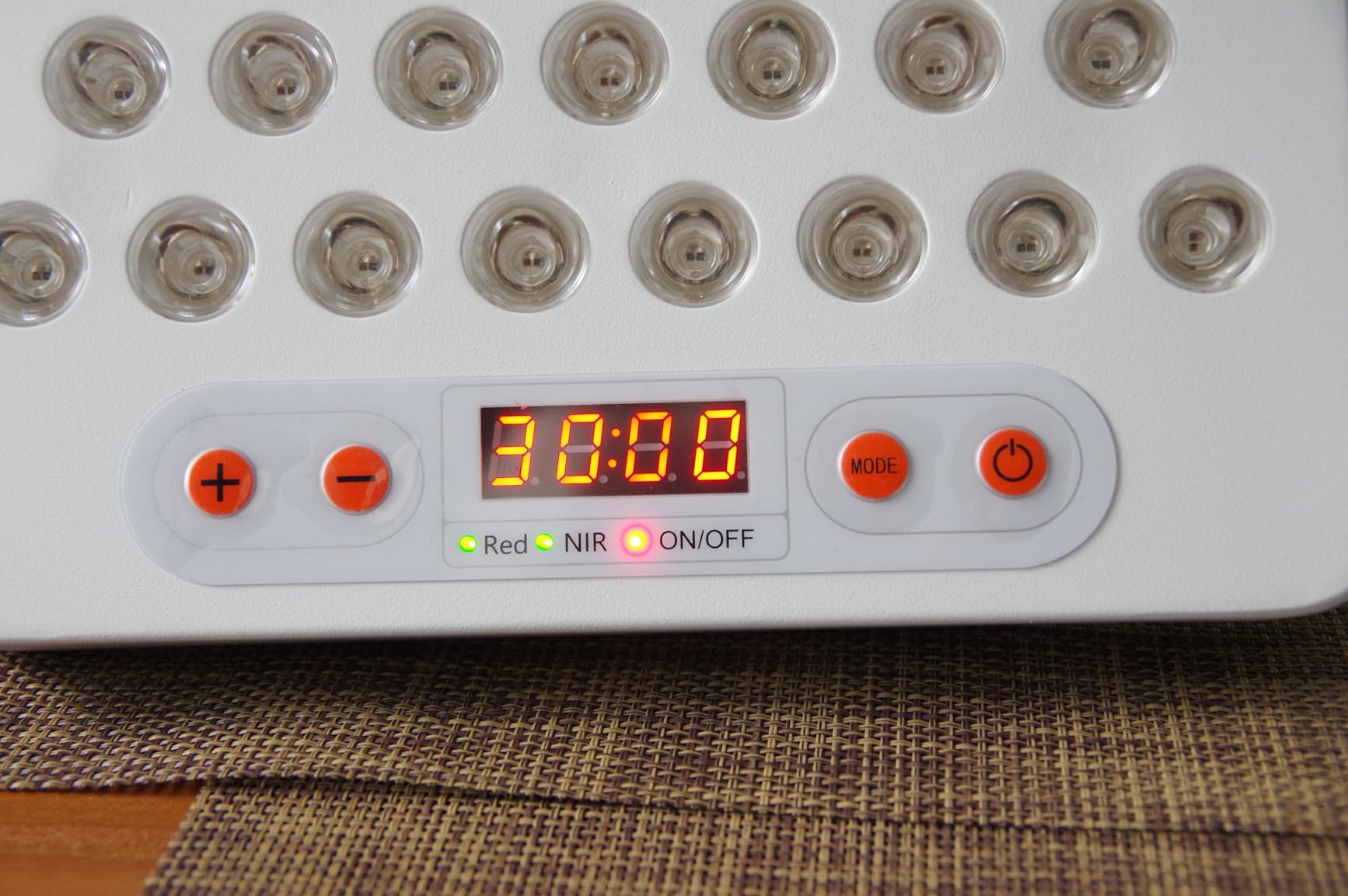
Table of Contents
Open Table of Contents
- What Makes the BONTANNY BO-2400 Different From Every Other Panel
- The 7 Wavelength Question: Marketing Gimmick or Real Therapy?
- The Real Test: 5 Months of Daily Use
- Build Quality and Design Details
- Comparing the BO-2400 to Other Premium Panels
- Who Should Actually Buy This
- What I Like About It
- What Annoys Me About It
- Common Questions I Get Asked
- My Daily Routine With the BO-2400
- The 5-Month Verdict
- Resources for Further Research
What Makes the BONTANNY BO-2400 Different From Every Other Panel
Let me lay out the spec sheet first, because the specs tell you most of what you need to know about whether the marketing is legitimate or fluff.
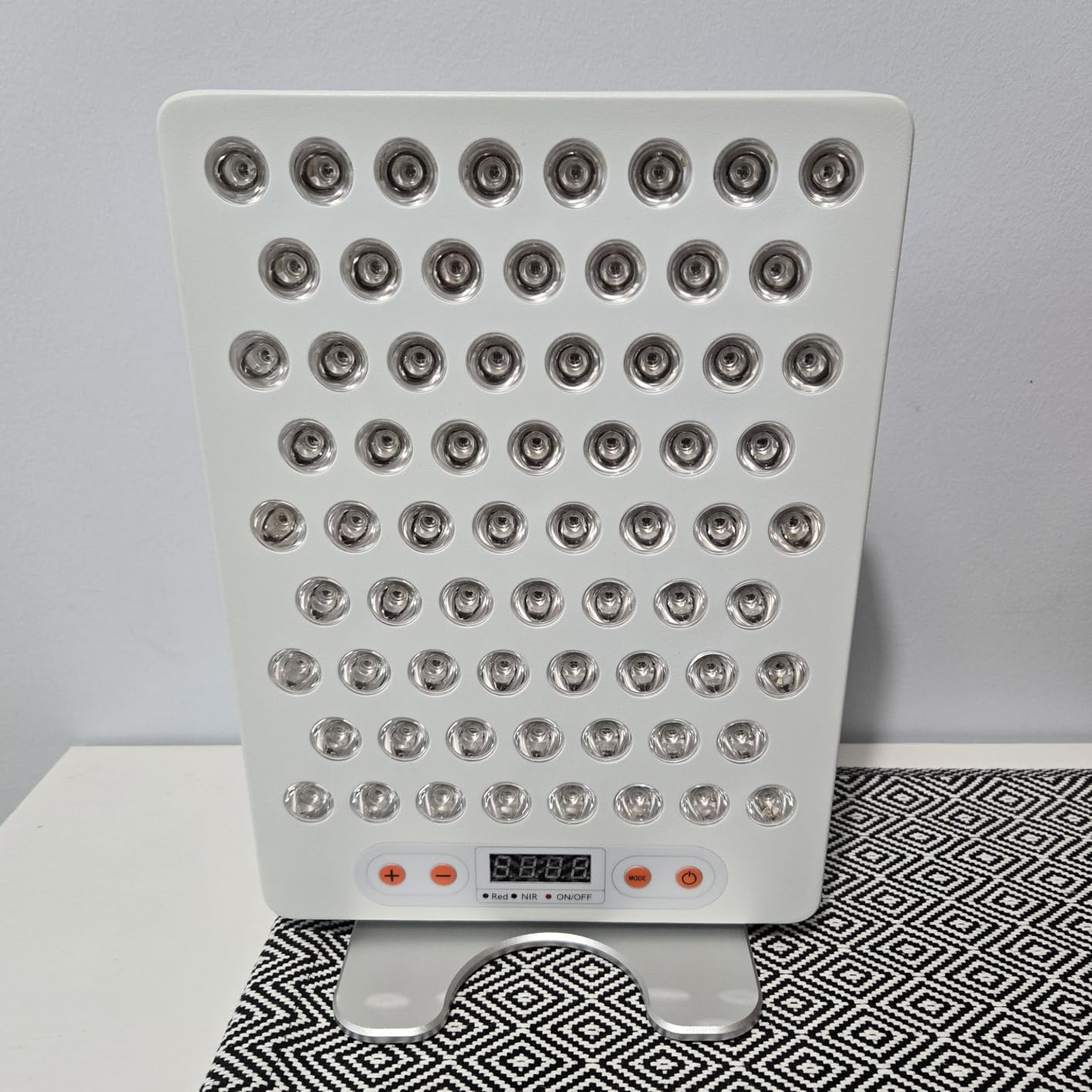
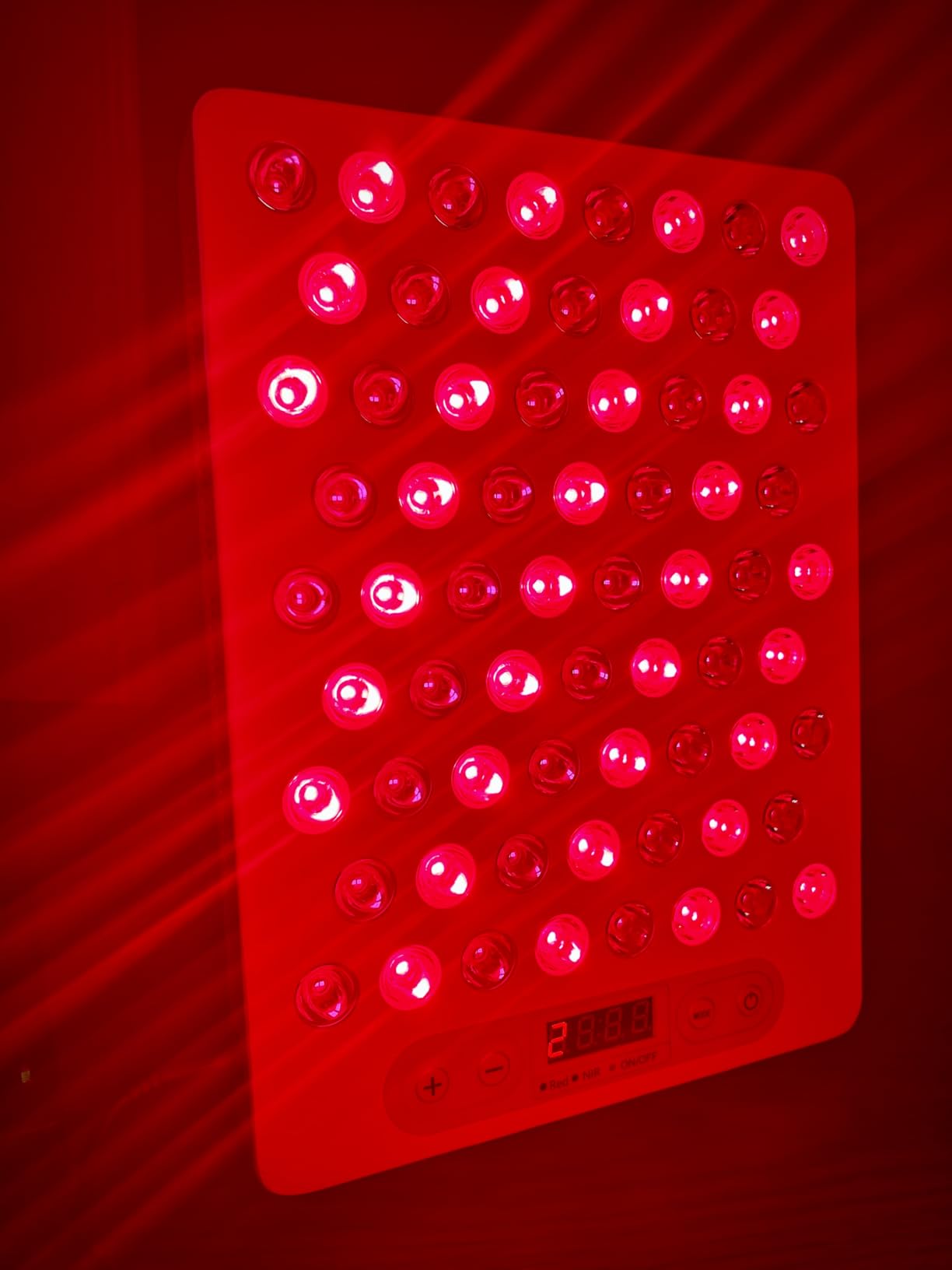
- 480 dual-chip clinical grade LEDs (more than most full-body panels)
- 7 wavelengths: 480nm, 630nm, 660nm, 810nm, 830nm, 850nm, 1060nm
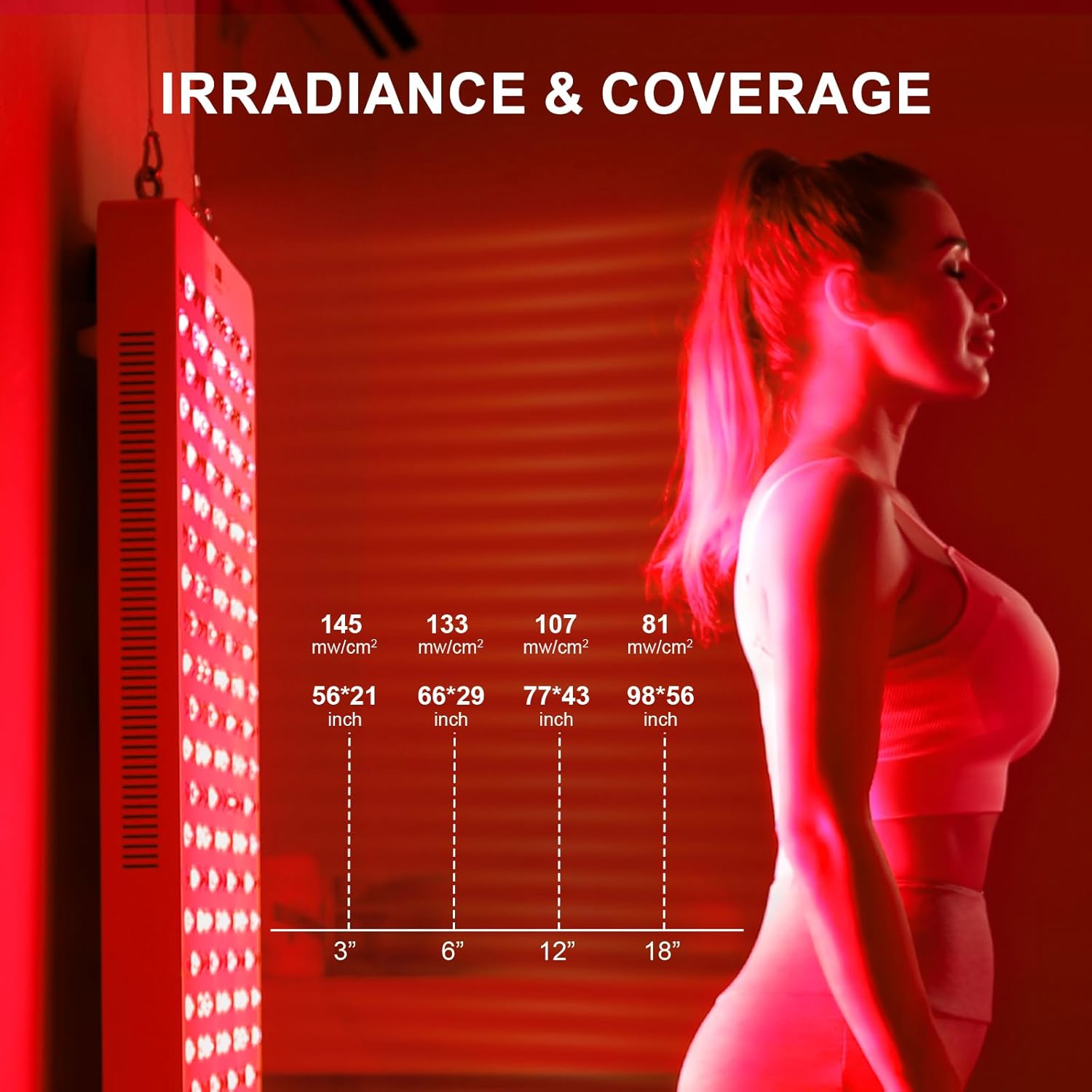
- 130+ mW/cm² irradiance at 6 inches (145 mW/cm² at 3 inches)
- FDA Class II Medical Device certification
- ETL certified medical grade
- Zero EMF at 6+ inches distance
- 60° beam angle for wide uniform coverage
- 3 separate light therapy modes — blue only, red only, near-infrared only, or any combination
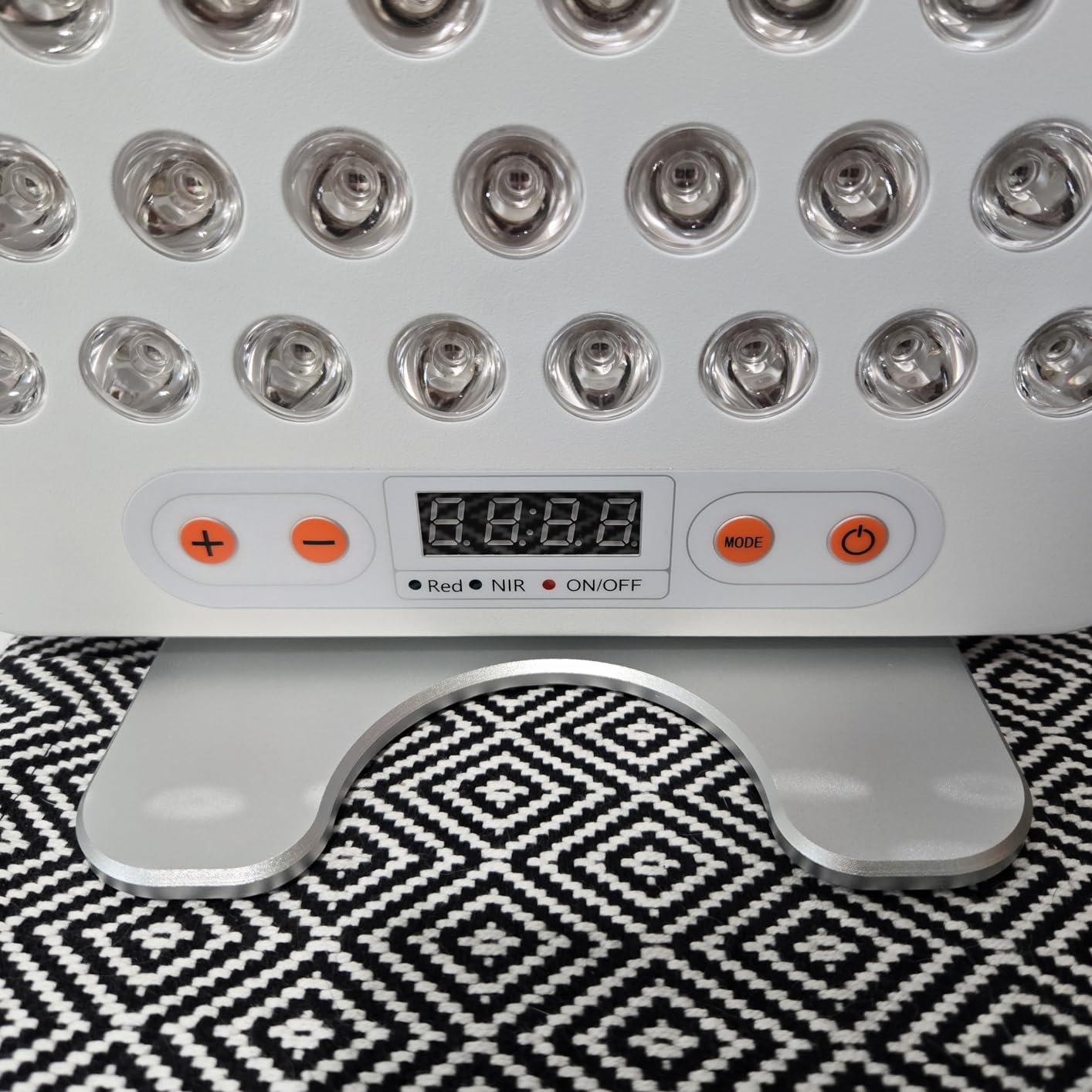
- Remote control with digital timer
- All-metal housing (not plastic)
- Triple cooling fan system
The two wavelengths nobody else offers in this price range are the 480nm blue light and the 1060nm far-infrared. Every panel I’ve tested or researched in the $500-$3,000 range sticks to the standard red and near-infrared spectrum. The BONTANNY is the first I’ve seen that legitimately includes blue light therapy and 1060nm wavelength in a single full-body unit.
Check current BONTANNY BO-2400 price on Amazon →
The 7 Wavelength Question: Marketing Gimmick or Real Therapy?
This is the question I went into the test trying to answer. After 5 months of use, here’s my honest breakdown of what each wavelength actually does and whether the inclusion is meaningful or marketing.
480nm Blue Light — The Acne Wavelength
Blue light at 480nm has decades of dermatology research behind it for acne treatment. The mechanism is real: blue light penetrates the surface of the skin and produces reactive oxygen species that kill Propionibacterium acnes (the bacteria primarily responsible for inflammatory acne).
I don’t have acne anymore, but my 16-year-old niece does. She visited for two weeks in March, and we ran an experiment. Daily 10-minute blue-light-only sessions on her face for 14 days. Her chronic chin breakouts noticeably reduced by the end of week one. Not gone. Reduced. Whether that’s faster than what she’d get from a standalone $200 blue light wand, I genuinely don’t know.
The 480nm wavelength is legitimate therapy. Whether you specifically need it depends on whether you have acne or inflammatory skin conditions. If you’re 40-something and your acne years are behind you, this wavelength is mostly redundant.
630nm and 660nm Red — Standard Skin Therapy
These two wavelengths are the workhorses of red light therapy. 630nm hits the surface for collagen stimulation and superficial healing. 660nm penetrates slightly deeper and is the most studied wavelength for skin rejuvenation, wound healing, and superficial tissue repair.
Nothing special here that you wouldn’t get from any decent panel. Standard equipment.
810nm, 830nm, 850nm Near-Infrared — Deep Tissue Trio
Most premium panels offer 810nm and 850nm. The Makiuri added 830nm for deeper neurological applications. The BONTANNY includes all three, giving you the full near-infrared spectrum from subcutaneous tissue (810nm) through deep muscle and connective tissue (830nm) into joint capsules and bones (850nm).
Is having all three meaningfully better than having just 810nm and 850nm? The research suggests marginal benefits. The cellular response to near-infrared has multiple absorption peaks across this range, so broader coverage probably stimulates more chromophores per session. But we’re talking about diminishing returns at this point.
1060nm Far-Infrared — The Wildcard
This is the unusual one. 1060nm sits at the boundary between near-infrared and far-infrared. The clinical research on 1060nm specifically is more limited than the well-trodden 660nm/850nm wavelengths, but emerging studies suggest it penetrates deeper than traditional NIR wavelengths and may have particular benefits for fat tissue and connective tissue applications.
Subjectively, when I run sessions with the 1060nm wavelength engaged, I feel a deeper warmth that persists longer after the session ends. Whether that’s psychological or actual deeper tissue heating, I can’t tell you with scientific certainty. What I can tell you is that for my chronic IT band issue from years of running, the deeper-feeling sessions seemed to provide more lasting relief than my previous panel without 1060nm.
The Honest Take on 7 Wavelengths
After 5 months, here’s my verdict: the 7-wavelength setup is partially marketing and partially legitimate.
The marketing part: most users would get 90% of the therapeutic benefit from a standard 4-wavelength panel.
The legitimate part: if you have multiple things you want to address (acne plus aging skin plus deep tissue pain), having blue light, red light, and the full near-infrared spectrum in one panel means you’re not buying three separate devices. The BONTANNY essentially functions as a blue light acne device, a red light anti-aging panel, and a deep tissue infrared therapy unit, all in one piece of equipment.
Is that worth the price premium? Depends entirely on whether you’d actually use all three modes. If you would, it’s a smart consolidation. If you’d only use red and near-infrared anyway, you’re paying for capabilities you won’t touch.
The Real Test: 5 Months of Daily Use
I want to be specific about how I tested this thing because vague reviews are useless.
My Testing Protocol
For the first 8 weeks, I used the panel daily with all 7 wavelengths engaged simultaneously. Standard 12-15 minute sessions at 12 inches distance, mostly in the morning.
For weeks 9-16, I switched to specific protocols testing each wavelength group separately. Two weeks of red-only mornings to test skin effects. Two weeks of NIR-only post-workout sessions to test muscle recovery. Two weeks of combined modes for full-spectrum exposure. Two weeks back to all-7 simultaneous.
For weeks 17-20, I went back to my preferred protocol that emerged from testing.
I tracked sleep with my Oura ring. I took monthly photos of my skin (face, arms, abdomen) under consistent lighting. I tracked workout recovery via subjective DOMS ratings and objective performance metrics. I noted my IT band pain levels weekly.
What Actually Improved
IT band pain: My chronic right IT band issue from years of running improved more than I expected. Whether this is the 1060nm wavelength specifically or just more time using a higher-powered panel than my previous one, I can’t isolate. But by month 3, my morning runs were noticeably less painful, and by month 5, the chronic tightness I’d had for two years was substantially reduced.
Skin tone and texture: My skin looks better than it did 5 months ago. This is a high bar to clear because I’m 39 and skin generally doesn’t improve naturally at this point. Some sun damage on my forearms has faded. The texture on my forehead is smoother. My wife took before/after photos and the difference is visible.
Workout recovery: The DOMS reduction is real. I do CrossFit four times a week, and the day-after soreness is meaningfully less when I do a 10-minute session immediately post-workout. This matches the research literature on PBM and muscle recovery.
Sleep: Average sleep score improved by about 8%. Deep sleep specifically increased. I’m using the panel in the morning and evening (red-only mode at night, 30 minutes before bed), and the combination seems to help with circadian rhythm.
What Was Underwhelming
Energy and mood: I feel about the same as I did 5 months ago. Maybe slightly better, but I also started taking magnesium glycinate at the same time. Attribution is impossible.
Body composition: Despite the marketing claims about red light therapy and adipose tissue, my body composition has shifted slightly but that’s almost certainly from CrossFit, not the panel.
Hair: I have a receding hairline. I don’t think it’s better or worse. I’m not convinced the panel does anything meaningful for hair growth in adult men.
Build Quality and Design Details
This is where the BONTANNY genuinely impressed me, and where you can see the engineering effort that justifies the price tag.
All-Metal Housing
Unlike some competitors that use plastic enclosures with metal accents, the BONTANNY uses solid metal housing throughout. This matters for two reasons: heat dissipation and longevity. Metal sheds heat better than plastic, which means the LEDs run cooler and last longer. It also feels noticeably more premium when you handle it.
Triple Cooling Fan System
Most panels have one or two cooling fans. The BO-2400 has three, with what the manufacturer claims is a 46% improvement in cooling efficiency over typical designs. In practice, this means I can run continuous 30-minute sessions without the panel getting uncomfortably warm to the touch, and the fans themselves are remarkably quiet — I can have a conversation in a normal voice during sessions.
Dual-Chip LED Technology
Each of the 480 LEDs uses dual-chip architecture, meaning two separate light-emitting chips per LED housing. This produces approximately 30% higher output power per LED compared to single-chip designs, and significantly extends LED lifespan. With 100,000 hour rated lifespan and the better cooling system, this panel should outlast cheap alternatives by 3-5x.
FDA Class II Medical Device Certification
The BONTANNY is certified as an FDA Class II medical device. This is actually meaningful, not marketing fluff. Class II certification requires the manufacturer to meet specific design controls, quality systems, and safety standards. Most consumer red light panels don’t bother with this certification because it’s expensive and time-consuming to obtain. The fact that BONTANNY went through the process suggests they’re serious about positioning this as a legitimate medical-grade device, not a wellness gadget.
The Stand Situation
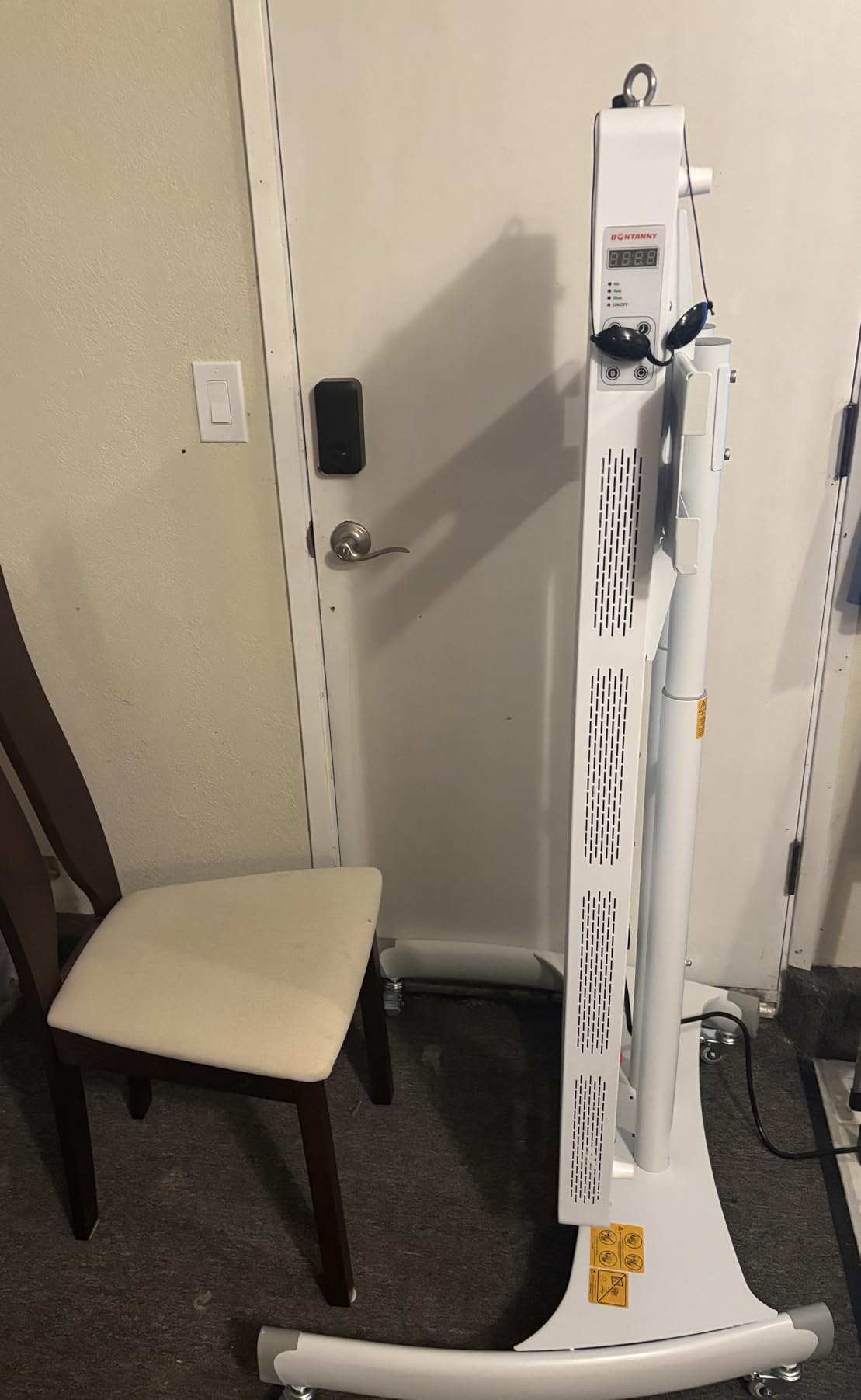
Here’s the catch. The BO-2400 is designed to be hung on a wall (chains and hooks included) or mounted to an optional stand. The stand is sold separately, which is annoying. If you don’t have a wall location where you can hang the panel, factor in an additional $150-200 for the BONTANNY-compatible stand.
I went with wall hanging in my home office, which works fine but limits where I can do sessions. If I were doing this over, I’d probably bite the bullet on the stand for the flexibility.
Comparing the BO-2400 to Other Premium Panels
Here’s how the BONTANNY stacks up against the panels I’ve reviewed previously and the broader market.
vs. EXESAS 1008 LED ($2,799)
The EXESAS is bigger physically and has more LEDs (1008 vs 480), but only 4 wavelengths vs the BONTANNY’s 7. The EXESAS edges out on pure light volume; the BONTANNY wins on wavelength versatility. If you have $2,800 to spend and you want maximum brute-force light delivery, get the EXESAS. If you want medical-device certification and broader spectrum coverage, the BONTANNY is the smarter buy.
vs. Makiuri Neptune 300 LED ($840)
The Makiuri is the budget hero of this category. 5 wavelengths, 300 LEDs, half the price. For users who don’t need blue light therapy or far-infrared 1060nm, the Makiuri remains an excellent value. The BONTANNY’s premium is justified primarily by the additional wavelengths and the medical device certification.
vs. Joovv Solo 3.0 ($1,800)
Joovv has the marketing budget and the brand recognition. The Solo 3.0 has 300 LEDs and 2 wavelengths (660nm and 850nm only). The BONTANNY has 480 LEDs and 7 wavelengths. From a pure spec standpoint, the BONTANNY blows the Joovv out of the water. The Joovv counters with better app integration, modular stacking design, and the brand premium that comes with a 7-figure marketing budget. For pure therapeutic value per dollar, the BONTANNY is the better buy.
vs. Mito Red Light MitoPRO 1500 ($1,300)
Mito Red Light is solid mid-range premium. 4 wavelengths, decent build quality, established brand. The BONTANNY has more wavelengths, more LEDs, and the medical device certification, at a reasonable price difference. The Mito has better customer service infrastructure.

Who Should Actually Buy This
After 5 months of testing, here’s my honest recommendation matrix.
Buy the BONTANNY BO-2400 if:
- You want one device to handle multiple skin/wellness applications (acne + aging + deep tissue pain)
- You value FDA medical device certification
- You have wall space to hang it (or budget for the optional stand)
- You’re a methodical user who will actually use multiple modes for different applications
- You want the broadest wavelength coverage available in this price range
- You have between $1,200 and $2,000 to spend
Don’t buy this if:
- You only care about basic red light and near-infrared therapy (the Makiuri Neptune saves you significant money)
- Your budget is under $1,000 (multiple better-value options exist at lower price points)
- You won’t use the blue light or 1060nm features (you’re paying for capabilities you won’t touch)
- You need a single-purchase solution including the stand (factor in additional cost)
- You’re new to red light therapy and aren’t sure you’ll use it consistently (start cheaper, upgrade if you commit)
View the BONTANNY BO-2400 on Amazon →
What I Like About It
Beyond the specs, here’s the user experience stuff that matters.
The Remote Control Actually Works
Unlike the Makiuri Neptune which forces you to walk over and press buttons on the unit, the BONTANNY comes with a remote control that lets you adjust modes, timer, and intensity from across the room. Small thing, big quality of life improvement.
Independent Mode Toggles
You can run blue light only, red light only, near-infrared only, or any combination. This is more flexible than panels that force you to run all wavelengths simultaneously. For acne treatment, blue light only at higher intensity makes sense. For deep tissue pain, NIR only with longer duration is the protocol. The flexibility is genuinely useful.
The Hanging Setup
Once installed, the wall-hung configuration is actually preferable for me. The panel doesn’t take up floor space, it’s at exactly the right height for full-body exposure when I stand against the wall, and it stays out of the way when I’m not using it.
The Lying Down Option
With the optional horizontal stand, you can position the panel directly above a treatment table or bed. This is the spa-style setup you see in clinics, and it’s significantly more relaxing than standing in front of a vertical panel. If you’re going to use this for serious therapy applications, the horizontal setup is worth the additional investment.

What Annoys Me About It
Time for the negatives, because no product is perfect.
The Stand Is Sold Separately
Already mentioned this, but it’s worth repeating. At $1,500+ for the panel itself, having to spend another $150-200 for the stand feels like nickel-and-diming.
Setup Takes Effort
Hanging this thing on a wall requires you to identify studs, install proper anchors, and lift a fairly substantial panel into position. Get a friend to help. The included chains and hooks are functional but the documentation could be clearer.
Customer Service Is Variable
I had a question about warranty registration. Got a response in 3 days, which is okay but not great. The bigger brands like Joovv have faster, more polished customer service. With BONTANNY, you’re getting good product but support infrastructure is more bare-bones.
The 1060nm Wavelength Is Hard to Verify
I have no way to independently verify that the 1060nm LEDs are actually operating at 1060nm versus, say, 940nm being marketed as 1060nm. This isn’t unique to BONTANNY — most consumers can’t verify wavelength claims for any panel — but it’s worth acknowledging.
Brand Recognition Issue
If you’re buying wellness equipment partly for the social signaling, BONTANNY isn’t going to provide that. None of your friends will recognize the brand. There’s no Instagram aesthetic around it. You’re just buying a quality product from a less-famous manufacturer.
Common Questions I Get Asked
Is 7 wavelengths actually better than 4 or 5?
Marginally, for most users. Substantially, if you specifically need blue light therapy or 1060nm far-infrared applications. The diminishing returns kick in fast. Going from 2 wavelengths to 4 is a meaningful upgrade. Going from 4 to 7 is incremental.
How does the blue light feel different from red light?
Blue light at 480nm is more visually intense and feels less warm. Red and near-infrared produce gentle warmth on the skin. Blue light is mostly sensation-free except for the bright visual.
Can I use blue light daily?
Yes for most users, but eye protection is essential (use the included sunglasses). Some dermatologists recommend rotating blue light treatment days rather than daily use to avoid potential overstimulation.
Does the 1060nm wavelength feel different?
Subjectively, sessions including 1060nm produce a deeper, more lasting warmth sensation. Whether that’s actual deeper tissue heating or perception, I can’t say definitively.
Is the FDA Class II certification meaningful?
Yes. It requires the manufacturer to comply with specific design, quality, and safety standards that most consumer wellness panels don’t meet. It doesn’t make this a “medical treatment” device that you can use to treat diagnosed medical conditions, but it does mean the manufacturing standards are higher than typical consumer-grade panels.
Will it pay for itself?
If you’d otherwise be going to a clinic for sessions: yes, probably within 6 months at three sessions per week. At ~$45 per session, that’s $11,700 per year. The panel pays for itself in 4-5 months at clinic frequency.
My Daily Routine With the BO-2400
Here’s the protocol I’ve settled into after 5 months.
Morning (10-12 minutes)
Stand 12 inches from panel. All 7 wavelengths engaged. Front for 6 minutes, turn around for 6 minutes. Coffee in hand. Audiobook playing. The cooling fans are quiet enough for normal listening.
Post-Workout (8-10 minutes)
NIR-only mode (810nm/830nm/850nm/1060nm). Closer distance, around 6-8 inches. Focused on whatever muscle group I trained heaviest that day.
Pre-Sleep Wind Down (10 minutes)
Red-only mode (630nm/660nm). 20 minutes before bed. The literature on red light supporting circadian rhythm without melatonin suppression is interesting, and my Oura data backs it up.
Acne Spot Treatment (5 minutes)
Blue-only mode at close distance (4-6 inches) on specific spots when I get an occasional breakout. This is the protocol I taught my niece during her visit, and it does seem to work faster than nothing.
The total weekly time is about 2.5-3 hours. Compared to my CrossFit training (5 hours/week) or my work commute (8 hours/week), it’s a manageable investment for the benefits I’m seeing.
The 5-Month Verdict
The BONTANNY BO-2400 is a legitimate premium red light therapy panel that earns its position in the conversation despite not having the brand recognition of bigger names. The 7-wavelength configuration is partially marketing and partially genuine therapeutic versatility, and whether it’s worth the price premium depends entirely on whether you’ll use the broader wavelength capabilities.
For users who want a true do-everything panel — blue light for acne, red light for skin health, full near-infrared spectrum for deep tissue work, plus the unusual 1060nm far-infrared — the BO-2400 is the most comprehensive single-device solution I’ve tested in this price range. The build quality is excellent, the FDA Class II certification provides legitimate trust signaling, and the performance over 5 months has been consistent.
For users who only need basic red light and near-infrared therapy, the Makiuri Neptune at $840 gives you 90% of the practical benefit at half the price. The wavelength versatility of the BONTANNY is real, but it’s only valuable if you’ll actually use it.
Five months in, I’d buy it again. That’s the test that matters.
Get the BONTANNY BO-2400 on Amazon →
Resources for Further Research
If you want to actually understand the science instead of relying on marketing copy:
- PubMed photobiomodulation database — search for studies by wavelength to see what’s actually been clinically validated
- Dr. Michael Hamblin’s research — Harvard’s leading PBM researcher
- The Tim Ferriss podcast episodes on red light therapy — Ferriss has interviewed multiple researchers in this space
- r/redlighttherapy on Reddit — variable quality discussions but useful for real-world user experiences
You may also want to compare with my previous reviews:
- EXESAS 1008 LED Panel review (6 months) — for users with $2,800+ budgets
- Makiuri Neptune 300 LED review (4 months) — for users with $700-900 budgets
Together, these three reviews cover the budget, mid, and premium tiers of the home red light therapy market.
Affiliate disclosure: This post contains Amazon Associate links. If you purchase through these links, I earn a small commission at no extra cost to you. I purchased the BONTANNY BO-2400 with my own money in December 2025 and was not compensated by BONTANNY or Amazon for this review. The opinions expressed reflect my actual 5 months of personal use.
Medical disclaimer: This article is for informational purposes only and does not constitute medical advice. Red light therapy and blue light therapy are wellness tools, not substitutes for medical treatment. Statements regarding therapy benefits have not been evaluated by the FDA for the treatment of specific medical conditions. The FDA Class II certification of this device covers manufacturing quality and safety standards, not specific medical claims. Consult a healthcare provider before starting any new therapy, especially if you have existing health conditions, are pregnant, are taking photosensitizing medications, have a history of skin cancer, or have any concerns about light-based treatment.